
Schoodic Sea Kayaking Retreat
Get away from the crowds into the East Coast's best sea kayaking and try some amazing wooden kayaks.
Sep 27, 2018
Articles, blog posts, videos and information about the skills used to go out on the water in a small boat.
Get away from the crowds into the East Coast's best sea kayaking and try some amazing wooden kayaks.
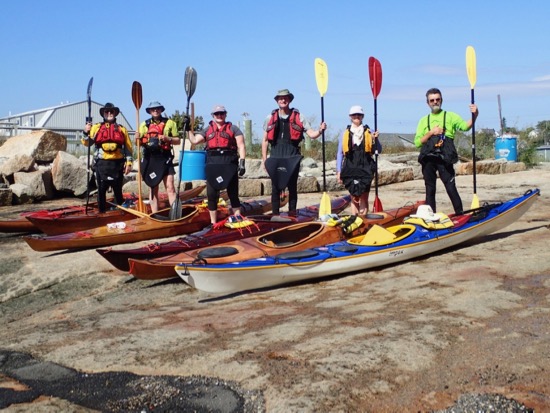
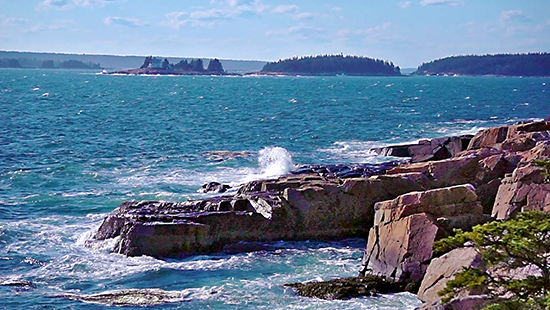
I am very excited to announce that I will be teaching a week-long on-the-water sea kayaking class in Maine this summer. If you have one of my designs, or you are interested in learning how to handle a sea kayak on the ocean, this is your chance to gain some great experience, while enjoying one of the prettiest places to paddle in the world.
A hand made wooden kayak is not truly finished until you have put your first scratch in it. The New England Rough Water Symposium is a chance to see to it that your boat is well and fully complete along with few scratches to prove it. While "rough water" may sound scary, this is a good event for a wide range of paddlers from the novice through experienced paddlers. It will give you a chance to learn from top paddler how to use your boat to full effect.
I've been playing around with taking video using a Pentax Optio W10 that I have strapped to a helmet. The quality of the video is not great, but the results are kind of fun.
How fast is your boat? Do you know? Does the question even make sense? Isn't any boat going to go faster if you apply more power to making it move? What people really should ask is" "how efficient is your boat?"
"If you want to turn left, paddle more on the right." This is usually the advice provided to a first time paddler. And often it is all the instructions they will ever receive on the subject of maneuvering a kayak.
There are many factors you should consider when you decide where you are going and how you will get there. Wind, waves and currents are the primary forces that will effect how easily and safely you will be able to get from one point to another in a small boat.
Most of time in small boat like a kayak navigation is done by sight. In other words, you see where you want to go, point the boat that direction and go. This is not to down play the need for a good chart and a compass.
The primary concern for most beginners is capsizing. Unplanned swims are worth thinking about, but should not be the only criteria. You also want a boat that will not be difficult to handle. A high performance kayak may be a little skittish - always trying to head off and do its own thing.